

Breaking Barriers
The reality of university life for autistic students.
For many, university represents a time of discovery, independence, and opportunity. But for autistic students, the higher education experience often comes with additional hurdles - sensory challenges, inaccessible learning environments, and a lack of understanding from peers and staff. A new episode of the Unscripted Podcast Series in conversation with PhD student Ali Hutchin is shedding light on these issues, exploring what needs to change to create a truly inclusive academic landscape.
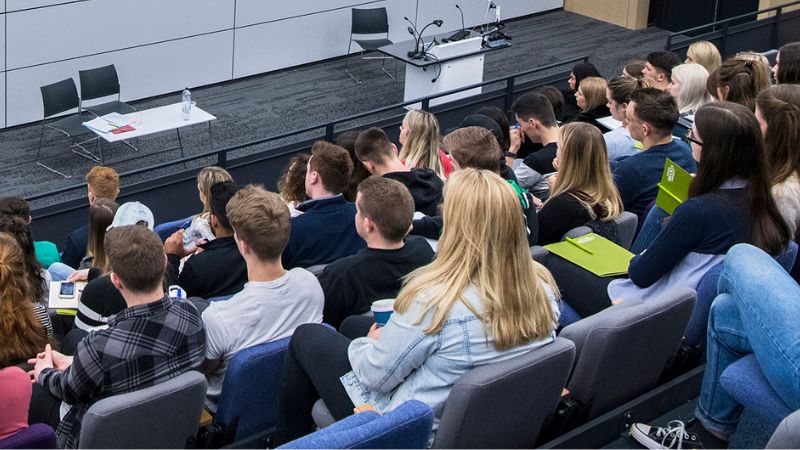
From overwhelming lecture halls to unpredictable social situations, autistic students face unique challenges that many neurotypical students take for granted. Sensory overload from bright lights and noisy environments can make attending classes exhausting, while the pressure to navigate unstructured group work or networking events can be an additional source of stress.
Ali explains, university can often feel like an environment built for neurotypical students. "I love learning, but the way universities are structured doesn’t always accommodate different ways of thinking. It can be isolating when people don’t understand the adjustments you might need."
The podcast explores what universities can do to better support autistic students. Some of the key recommendations include:
- Flexible learning environments – Providing quiet spaces, recorded lectures, and alternative participation options.
- Clearer communication – Ensuring timetables, assignments, and expectations are outlined in a structured and accessible way.
- Staff training – Helping lecturers and support teams understand neurodivergence so they can offer meaningful adjustments.
- Social inclusion initiatives – Creating opportunities for autistic students to engage in university life without overwhelming social pressures.
While many universities offer disability support services, awareness and implementation remain inconsistent. Ali highlights the importance of listening to autistic students themselves to understand what actually works.
Ali’s research serves as a call to action for universities, educators, and policymakers. Inclusion should not be an afterthought - it should be embedded into the very fabric of higher education. "Universities talk about diversity, but true inclusion means recognising different ways of learning and interacting," Ali reflects.
With autism diagnoses on the rise and increasing recognition of neurodiversity, institutions have a responsibility to ensure that higher education is accessible to all. Until then, autistic students will continue to break barriers - but they shouldn’t have to do it alone.