

Research reveals 24 most important landscapes for freshwater wildlife
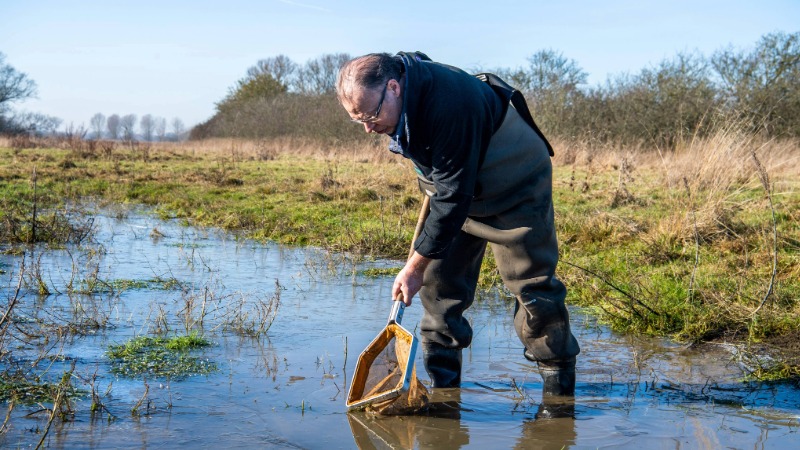
A new study led by a visiting professor at Oxford Brookes University has identified the 24 most important landscapes for freshwater wildlife in England and Wales.
Published in the journal ‘Ecological Solutions and Evidence’, the research pinpoints the regions that are richest in freshwater plants and animals.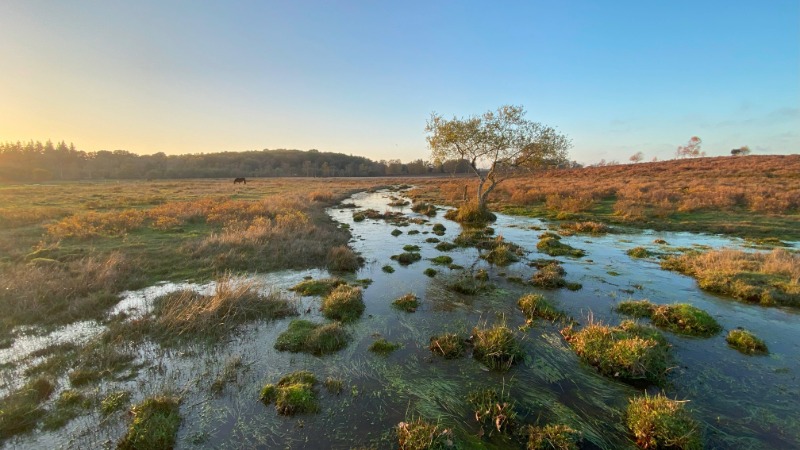
The paper sets out a vision for the ‘Freshwater Network’, a new national strategy to tackle the crisis facing freshwater species developed by scientists from national wildlife conservation charity Freshwater Habitats Trust.
Identified using extensive data and in consultation with leading freshwater scientists and ecologists, the 24 ‘Important Freshwater Landscapes’ support high numbers of freshwater species, including concentrations of rare and sensitive plants and animals, and high-quality freshwater habitats. Collectively these wildlife hotspots cover more than a third (36%) of England and Wales.
Lead author Jeremy Biggs, CEO of Freshwater Habitats Trust and visiting Professor at Oxford Brookes University said: “One in four UK freshwater plant and animal species is now classed as rare or threatened and almost all rivers, lakes and small freshwaters are impacted by pollution. With better-targeted conservation efforts and a shift in policy we could halt and reverse the decline in freshwater species.
“Knowing which parts of the country are the most important for freshwater life means we can better target measures to safeguard those areas. This knowledge will change the way we protect our highest-quality freshwaters and tackle the crisis facing freshwater wildlife.”
The authors highlight the need to manage freshwaters as a network. Evidence now shows that most species use a range of different freshwater habitats, but conservation and policy mainly treat individual habitat types – lakes, rivers, ponds and wetlands – as isolated from one another.
The Freshwater Network has a particular focus on small water bodies and wetlands. These habitats have traditionally been overlooked by scientists and are excluded from most policies. However, collectively they make up around 80% of the water environment, and have been shown to support a greater number of species than larger water bodies.
Professor Biggs added: “We are already seeing the benefits of the Freshwater Network concept for wildlife through our conservation projects. If other conservation organisations, landowners and policymakers adopt the Freshwater Network approach this could be a pivotal moment in addressing the crisis facing the water environment.”
The 24 Important Freshwater Landscapes include:
- The Brecks and surroundings, where ‘pingo ponds’ that formed in the last ice age support unique communities of animals and plants.
- Anglesey, which is famed for its wetland habitats where many rare species can be found.
- The New Forest and Dorset Heaths is an internationally significant freshwater landscape, thanks to its ancient practice of traditional grazing and clean water, free from pollution.
Photo: A headwater stream in the New Forest National Park – part of the New Forest and Dorset Heaths Important Freshwater Landscape. The Freshwater Habitats Trust.