

Ancient Arabia not as empty as once thought, study finds
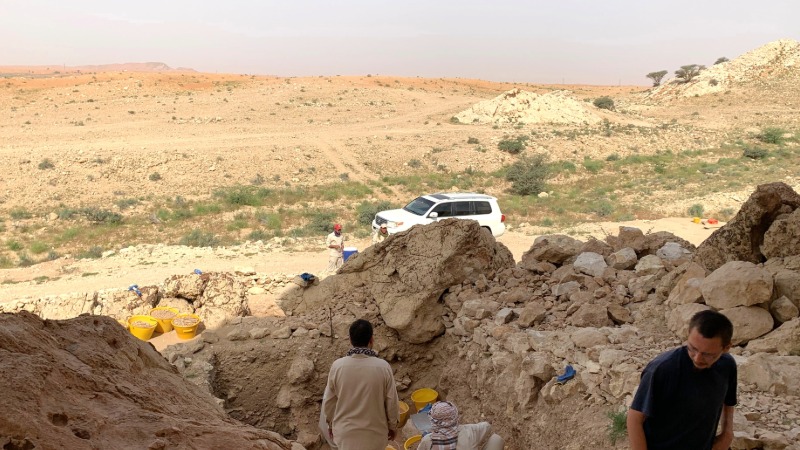
Ancient Arabia was inhabited far more often than previously believed, with humans returning repeatedly over tens of thousands of years as the climate shifted, according to new research.
Archaeological evidence from the United Arab Emirates shows repeated human occupation at a rock shelter site dating from about 60,000 to 16,000 years ago, with earlier phases dating back to around 125,000 years. The findings, published in Nature Communications, come from an international team including researchers from Oxford Brookes University.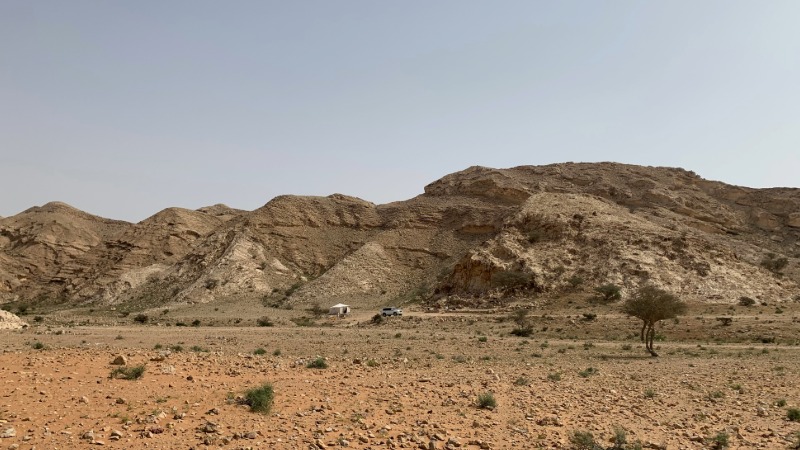
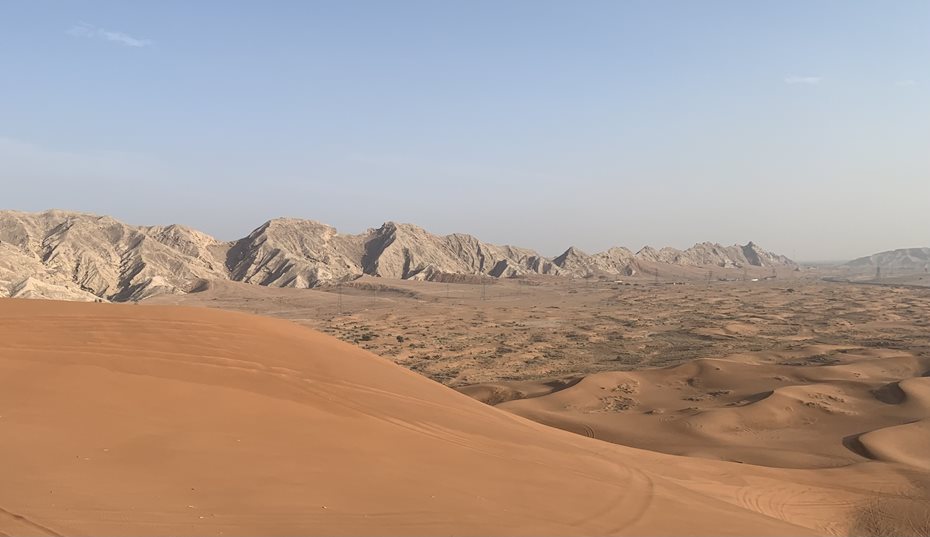
The site, Buhais Rockshelter in the Emirate of Sharjah, forms part of the wider Faya Palaeolandscape, where scientists have been investigating how early humans lived in what is now an arid region.
The period between roughly 70,000 and 12,000 years ago was a key phase in human history, including the global spread of Homo sapiens. The Arabian Peninsula has often been considered largely uninhabitable during this time because of extreme climatic conditions.
However, the new study suggests human presence in the region was closely linked to wetter periods. Environmental analysis indicates that phases of occupation coincided with increased rainfall, when water and vegetation would have made the landscape more hospitable.
Adrian Parker, professor of geography at Oxford Brookes University, said: “Our paleoenvironmental data show clear evidence of increased water availability at the same time periods when people occupied the rock shelter. This demonstrates that southern Arabia was not uniformly inhospitable during the last glacial period.”
Researchers say the site preserves a rare, long-term record of repeated human returns rather than a single wave of settlement.
Lead archaeologist Dr Knut Bretzke, from the Friedrich Schiller University Jena, Germany, said: “The archaeological sequence at Buhais Rockshelter gives us a stratified window into human presence across multiple climatic cycles. What we see is not a single occupation pulse, but repeated returns to this landscape.”
Together with earlier discoveries at nearby Jebel Faya, the findings extend evidence of human presence in southeastern Arabia from around 210,000 years ago to as recently as 16,000 years ago.
The researchers say this strengthens the view that the region played an important role in how early humans adapted to arid and semi-arid environments, rather than acting simply as a barrier to migration.
The Faya Palaeolandscape, which includes Buhais Rockshelter and Jebel Faya, was designated a UNESCO World Heritage Site in 2025.
The paper ‘Evidence from Buhais Rockshelter for human settlement in Arabia between 60,000 and 16,000 years ago’ was published today in the journal Nature Communications.
Photographs: 1. The View of the Buhais rockshelter, Sharjah, United Arab Emirates. Credit: Simon Underdown.
2. View of the Faya Palaeolandscape World Heritage Site where the Buhais rockshelter is located. Credit: Adrian Parker