

Expert comment: Supporting young men and ending misogyny and the ‘manosphere’
The dangerous, misogynistic attitudes promoted to teenagers through the ‘mansophere’ have been highlighted in television shows like the documentary ‘Louis Theroux: Inside the Manosphere’ and the drama ‘Adolescence’.
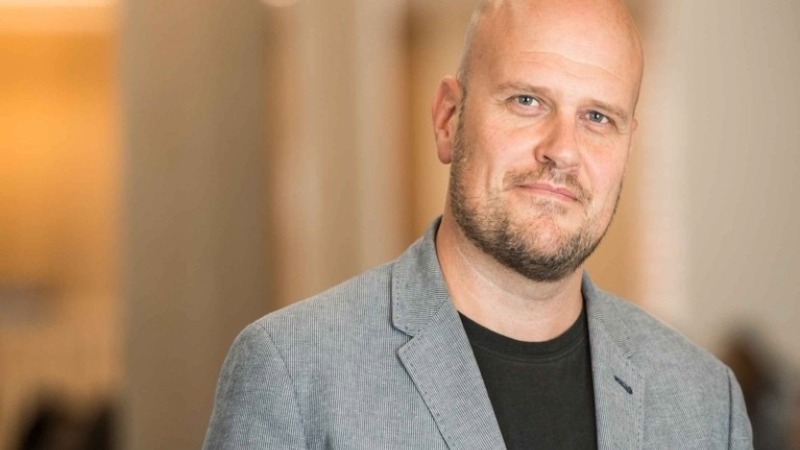
Dr Peter Harris, Associate Professor in Criminology at Oxford Brookes, is proposing potential interventions to the ‘manosphere’ based on research involving conversations with teenagers.
What does your research reveal about the underlying social or structural factors driving misogyny and gender based violence in teenagers?
My research includes gathering evidence from literature and direct work face-to-face with boys and girls in schools. It shows that broad social factors, such as the influence of politicians and celebrities with power in society, the increasing unaccountability of the big digital platforms, pervasive gender norms and the under-funding of youth services are all driving rising misogyny and gender based violence among young people. Young men that are already confused, anxious and insecure are prone to peer pressure and developing harmful attitudes and behaviour.
What are the greatest dangers presented by the ideologies that are being promoted through the ‘Manosphere’?
The dangerous ideologies presented include the idea that the pursuit of material and financial success and the domination and control of women in relationships, rather than equality, will lead to happiness and high status. Some pornography is exacerbating this by normalising sexual aggression, objectification and degradation. This is leading some young men to act out behaviours that are deeply harmful to young women, and ultimately, to themselves. For others, it is leading to increased feelings of loneliness and anxiety.
What would help teenage boys and young men to develop healthy attitudes towards girls, women and sexual relationships?
It would help if men with power and influence in society consistently countered sexist messages and more men felt able to (and knew how to) challenge each other when they witnessed misogynistic attitudes and behaviour. We also need more financial support for informal educational initiatives, led by skilled practitioners like youth workers who are well-trained and can think critically about gender. Work with boys needs to be co-created with them, and start early.
Your research highlights the role of youth work and community relationships. What evidence is there that these approaches are effective in reducing violence?
There is clear evidence that youth and community work can be effective in reducing violence and promoting pro-social behaviour. However, we need to support more research that asks not only the ‘what’ works question, but the ‘how’, ‘why’ and ‘who’ works questions too. My research took that approach and shows that if you can create relationships and spaces where young men feel able to talk openly and courageously about their insecurities, such as fear of rejection, this can have a positive impact on their attitudes and behaviour.
To what extent do current government policies address the root causes identified in the research, and where are the biggest policy gaps?
Government policies are beginning to shift to try to react to the root causes of misogyny and gender-based violence, but there are big policy gaps. The pipeline for qualified youth workers has dried up, because training courses have been closed all around the country. We desperately need to up-scale the training of youth professionals so we have a workforce that knows how to engage boldly with young people, face to face and online. This workforce should understand the complex issues bound up in misogyny and gender based violence, including cultural dynamics.
How can policymakers, educators, and youth workers collaborate more effectively to prevent gender based violence?
Policymakers, educators and youth workers need to work together with young people to create long-term societal change. This needs to curtail the worst excesses and normalisation of misogynistic content online. We need to find ways to tackle misinformation, encourage platform responsibility, remove the profit motive for the objectification of girls and women and, above all, support teachers in schools, ideally with well-trained informal educators who are digitally literate, can think critically and know how to build trustful relationships with young people, both inside and outside schools.
Peter’s full policy brief - Breaking the Cycle: Rethinking Male Violence, Risk, Responsibility and Response can be downloaded here.