

Oxford Brookes Student Secures Prestigious Diarsia Grant for Second Year Running
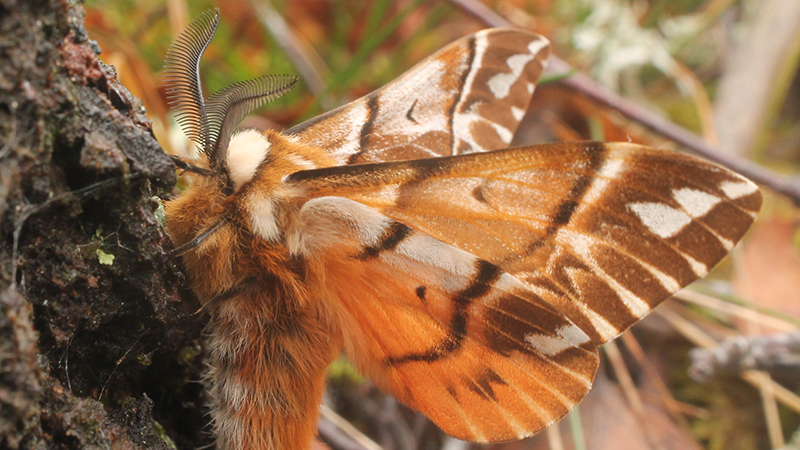
MSc student Beth Sykes has secured the prestigious Diarsia Grant for her work on the Kentish Glory—a moth that vanished from England over 50 years ago and is now restricted to areas of the Cairngorms in Scotland, including Strathspey and Badenoch.
Beth’s win marks a remarkable second consecutive year that a Brookes student has brought home this national award.
The Kentish Glory is a vital indicator of woodland health; its bright green caterpillars rely almost exclusively on young birch saplings. While males can detect a female's scent from a kilometre away, little is known about how they move across the wider landscape.
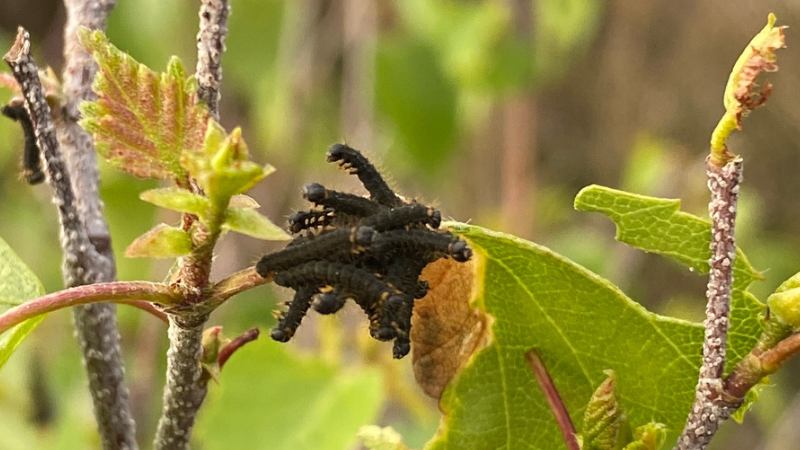
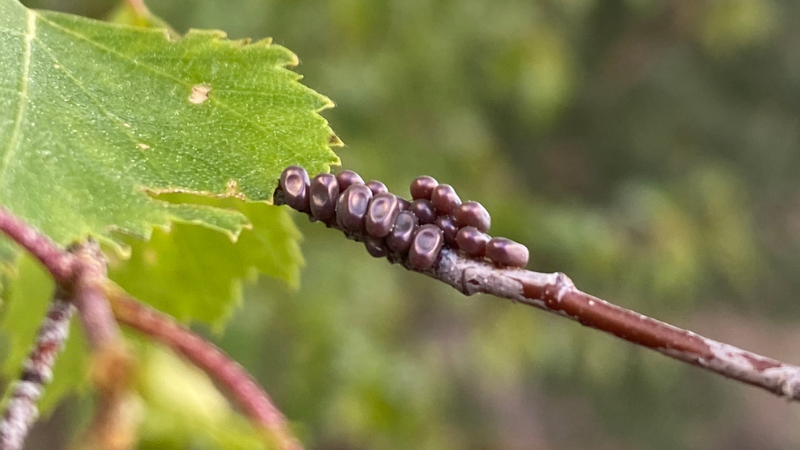
Beth is using high-tech digital mapping and field assessments in Speyside and Badenoch to create a "survival map", identifying where to build "nature bridges" to help the species migrate safely.
Beth’s journey to the Highlands is unconventional. After earning a degree in Fine Art at Oxford Brookes, her lifelong connection to the Scottish landscape drew her back to pursue an MSc in Conservation. Beth describes how her background shaped her current research:
“Many years of Scottish holidays created a love for the stunning landscapes and natural history of the Highlands, which informed my practice during my Fine Art degree and led me to my Masters in Conservation Ecology. My research project is an opportunity for me to build a deeper understanding of an important species and its habitat. The Diarsia Award has supported my month’s fieldwork in the Cairngorms, surveying potentially suitable habitat and looking for Kentish Glory moth eggs.”
The Diarsia Awards are awarded in honour of Dr. Douglas Boyes, a pioneering lepidopterist whose research on light pollution fundamentally reshaped UK environmental policy. By proving that LED streetlights drive insect decline, his work pushed the government to adopt wildlife-friendly lighting.
By securing this grant, Beth continues a legacy of high-impact science dedicated to protecting the UK’s most vulnerable species.