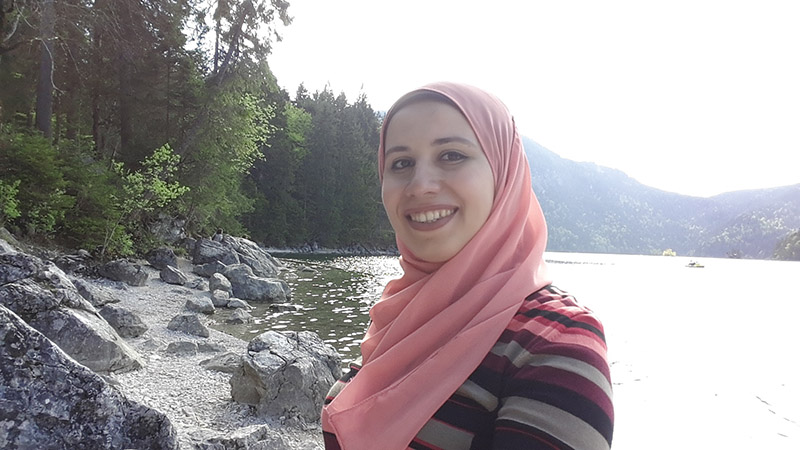

Faculty of Technology, Design and Environment research student profiles
Thesis title: From the mountains to the sea: an autobiographical memoir
Started: January 2024
Director of Studies: Dr Jane Potter
Where are you from?
Boston, Massachusetts
How did you hear about Oxford Brookes University?
When researching PhD programs, I encountered a couple of PhD theses from graduates of Brookes that really intrigued me, so I explored further.
What attracted you to Oxford Brookes University to conduct your research?
Students in the Faculty of Arts, Humanities and Social Sciences were doing really interesting work at the intersections of life writing and hybrid work. The arts program is very on the edge, which I really wanted to be able to explore, as I was interested in creating a textual-visual project.
What were you doing before?
I had a career in the pharmaceutical industry; ran a lot of international clinical trials and lead inspections around the globe.
How easy did you find it to settle into the research environment?
It was actually more challenging than I expected. Even though I have travelled extensively, and I’m not a kid away from home for the first time, I found that things were similar here to what I was used to in the States, but similar is not the same. There are great resources available at Brookes and I availed of them whenever I needed. I ask a lot of questions, but if you don’t ask, you don’t get.
Tell us about your research
Since joining Brookes, I have focused on reading in the subject areas of autobiography, biography, memoir, poetry, graphic memoir and as many other forms of life writing that are available. My current focus is on inverting the paradigm of interventional autobiography by approaching life writing as a new form of interventional autobiography. Aurell defines interventional autobiography as historians using their own autobiographies to ‘participate, mediate, and intervene in theoretical debates’ and by doing so, autobiography functions as historiography. Creative life writing works are considered literary works as opposed to historical works, but as Aurell notes ‘texts that blend life writing and history deserve scholarly attention because of the ways they allow us to examine our access to both individual and collective pasts.’
Using an autoethnographic approach, I am creating a life writing work that simultaneously functions as a case study in early twentieth- and twenty-first century social and cultural changes that affected one family, although these changes are representative of larger trends in the population. To place my family historically, my methodological approach is to create a nuanced piece of life writing that historically contextualizes topics that affected many individuals, for instance, the treatment of polio (infantile paralysis) prior to universal vaccination campaigns and a standardized treatment protocol. This has involved significant research within the Centers for Disease Control and Prevention in the United States, demographic and epidemiological research, as well as evolving treatment options following World War I.
My literature review investigates the current literature around life writing as well as the discussions surrounding interventional autobiography as written by practicing or professional academics, primarily historians. Interrogation of life writing works will focus on whether life writing created by non-academics can also function as or be interpreted as interventional autobiography. If autobiographies of professional historians provide us a deeper understanding of social and cultural histories and how one personal history adds to and expands the concepts inherent in social and cultural history, can the same rubric be applied to life writing created by non-academics? By approaching life writing as a primary source and ‘intervening’ in it by including historical documentation, a new form of literary interventional autobiography may be developed, thus creating a life writing work that draws closer to interventional autobiography.
What do you enjoy about being a research student? Can you tell us about any challenges you face and strategies you use to overcome these?
I love exploring – books, art, places. I can get really stuck into research because it’s active. Sometimes I just need to sit down and write and think. I forget that thinking is such a huge part of what I’m doing as a researcher and have to give myself permission to just let my mind wander.
I started running again, which is active so I feel like I’m accomplishing something (a run), but no headphones, no music, just my mind skittering all over the place. Running is where I do a lot of my free-floating thinking. I do bring my phone to track my distance, but also because often brilliant ideas come to me and I can leave myself voice notes!
What do you think about the research training offered at Oxford Brookes? How do you feel this has prepared you?
The research training is great, and I take advantage of as much of it as much I can. Access to materials is always changing, new modes of communication, better ways to do things. If someone knows how to do something better than me, why not take advantage of that knowledge and save myself some time?
I have to be careful not to use the training as an excuse. It’s great to attend sessions on research, but I still have to actually DO the research! Luckily, I like getting stuck into arcane stuff so to me the research is often more fun than the writing up part, but they balance each other out.
What are your future plans?
Finish my thesis!! I’ve stopped planning too far ahead. Life is unpredictable and brief so trying to enjoy each day as it comes along.
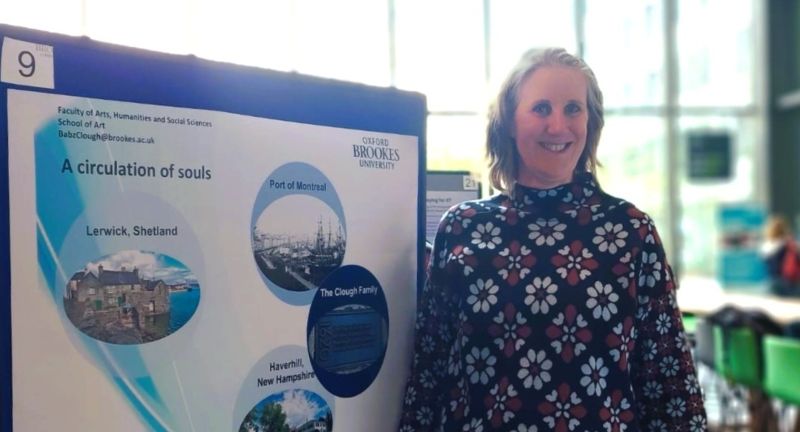
Thesis title: Filming the Filmmaker in First Person Participatory Documentary: Investigating the two camera SMARTI format tool as a documentary sub-mode.
Started: January 2023
Director of Studies: Dr Pete Turner
Where are you from?
Portsmouth, UK
What attracted you to Oxford Brookes University to conduct your research?
I was attracted to Oxford Brookes University by the quality of staff, specifically Dr Pete Turner, who was such an inspiration to me during my Masters degree that I desired to study under him further into a PhD. I continue to be extremely thankful to him and am thoroughly enjoying working with the Digital Media Production and Film Studies teams at Oxford Brookes.
What were you doing before?
I work in industry and was doing a part-time MSc in Film and Television. I enjoyed my time on my MSc so much so that I decided to carry on with my research and expand on it further.
How easy did you find it to settle into the research environment?
It was very easy to settle in to researching at Oxford Brookes. The facilities are fantastic, the staff support is unparalleled and the opportunities abundant. The networks are plentiful and the Creative Industries Festival is a highlight of the year. The desire by the department to upskill PhD researchers with interpersonal and professional skills are obvious and easy to capitalise on.
Tell us about your research
My research focuses on the development of a new format tool in the Participatory documentary mode. Typically, participatory documentary filmmakers such as Marc Issacs (Lift) or Molly Dineen (Geri) use the standardised format of holding the camera and asking questions from behind the lens; they are only heard, and never seen. This has been a regular cinematographic style of Participatory documentary for decades, but what if this same style could also feature the self-shooting documentarian on camera? And what would the implications be? This work, for the first time, explores the practical cinematographic tools that can put the documentarian on camera in a television format. Concentrating on one style in particular, the ‘two camera SMARTI format tool’, this research is creating a series of contrasting documentaries to contribute towards an answer to a number of questions: viability of this cinematographic technique in television production, acceptance of the format to a commissioner and spectator, and commercial viability.
Television programmes over the last 25 years have gradually utilised miniaturised cameras in creative and inventive ways as a format tool; a format tool being what makes the programme unique - Big Brother’s format tool is putting contestants into a house together and filming their behaviour for example. Reality television programmes such as MTV’s Fear (2001) and Josh Gates’ Destination Truth (2007) have both utilised the format tool of equipping contributors with both a handheld camera showing their first-person perspective and a separate body camera that points back at the wearer, showing the viewer who is filming behind the camera. With both the contributor’s first-person perspective and reverse shot filmed simultaneously, this format tool has never transitioned to Participatory documentary until now.
With the documentarian now on camera for the first time, it has created what the research calls as the ‘relationship triangle’. Traditional Participatory documentaries show the interpersonal relationship between documentarian and contributor as the main focus of address – Marc Issacs talks to members of the public in a lift throughout his famous documentary Lift (2001) - with the very occasional breaking of the fourth wall by the contributor communicating with the audience down the camera. But with two cameras individually filming both the contributor and the documentarian simultaneously, it creates a new side of the relationship triangle; the documentarian can now also address the audience by looking down the lens of the camera that is looking back at them, breaking the fourth wall themselves. This is a dynamic that the traditional cinematographic style has never been able to achieve and puts the audience in the ‘shoes’ of the documentary filmmaker, allowing the witness of their own experiences. Through an inherently forced first person point of view, this format could arguably be the most personal approach to filming documentary yet.
The research aims to explore the implications of the new relationship offerings to the viewer and explores the different methods of cinematography of the SMARTI format tool - simultaneous, multiple angle, behavioural aesthetic, perspective method. Simply put, filming a documentary specifically on relationships and behaviours with multiple angles simultaneously from a first person perspective.
This practice-based work includes the filming of a wide range of contrasting documentaries in this new two camera SMARTI format tool as a proof of concept which, over the course of the research, are being released onto YouTube for public viewing.
What do you enjoy about being a research student?
Being a supported research student at Oxford Brookes brings a fantastic opportunity to conduct work that is important to us and our relevant industries within the confines of a nurturing and encouraging environment. Using key knowledgeable figures in the department to both expand research ideas and direct down new paths is worth its weight in gold, and I am so pleased that I get that at Oxford Brookes University.
My only challenge is that I am a part-time student which makes time quite a commodity, but with such a fantastic supervisory team I constantly feel supported with the right level of direction.
What do you think about the research training offered at Oxford Brookes?
The training at Oxford Brookes University truly creates a fostering platform for talk and encouragement. With a mix of structured and open forum classes, and conducted both in-person and hybrid, and recorded for re-watching, it’s just the right blend of supervised learning and freedom to flourish as a research student at Brookes.
This is also coupled with various research networks at the university which encourage again both professional and personal skills ideal for the research student.
What are your future plans?
I have been extremely privileged, and I am most thankful, to be given the opportunity to both Associate Lecture and supervise Digital Media Production undergraduate and postgraduate students at Oxford Brookes University. As well as the obvious benefits to personal development as a research student, it opens up career pathways and allows students to explore which direction may be suitable for them in the future. I am thoroughly enjoying this and hope to explore more teaching avenues over the course of this degree at Oxford Brookes.
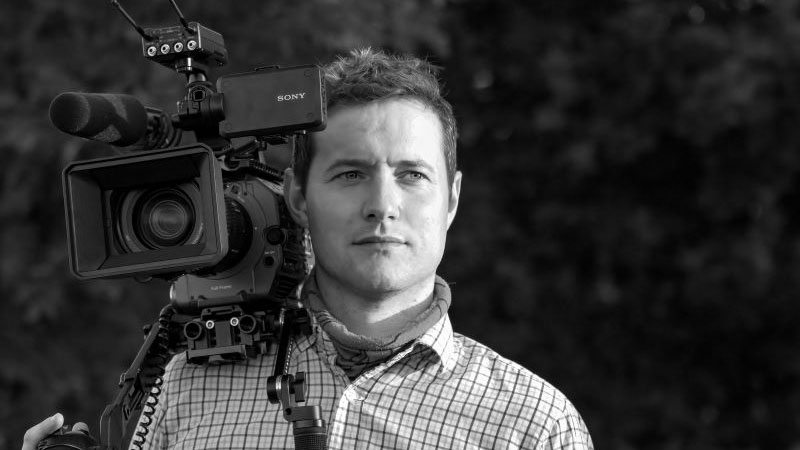
Thesis title: An Investigation into True Crime Tourism, Screen Tourism and Dark Fandom
Started: June 2021
Awarded: January 2026
Director of Studies: Dr Lindsay Steenberg
Where are you from?
Northern Ireland
What attracted you to Oxford Brookes University to conduct your research?
There are several reasons why I was drawn to Oxford Brookes University. Specifically, I was attracted to Oxford Brookes University after identifying a funded scholarship opportunity; advertised to conduct doctoral level research in a research area that was directly aligned with my research interests. Appropriately, I benefit from being supervised by experts in my pursued area of study. I enjoy pursuing scholarly endeavours in a city famous for academic pursuits. Oxford City is an inspiring environment and without a doubt one of the best student cities in the UK.
What were you doing before?
Prior to commencing PhD study at Oxford Brookes University, I was working full time in customer service and sales. This was following successful completion of my Masters by Research Degree; having graduated from Edinburgh Napier University.
How easy did you find it to settle into the research environment?
I found it particularly easy to settle into life on campus at Oxford Brookes University. I enjoy availing of the facilities at the state-of-the-art Headington campus. I value access to the PGR student office. I have strived working in this environment; a productive environment which has resulted in the forming of strong professional connections as well as personal friendships. I enjoy being a part of a friendly and diverse PGR community. This creates a vibrant atmosphere that has spurred me on.
I am particularly grateful to have been given additional opportunities which have allowed for personal and professional development. Throughout my tenure at Brookes, I have gained experience working as a research assistant, a co-authorship and associate lecturer. I have also availed of additional opportunities through taking the role of student representative.
Tell us about your research
My research project is concerned with exploring the interrelationship between dark tourism, screen tourism and dark fandom. Through my research, I aim to extend knowledge on factors which influence dark tourist visitation and general human interest in the macabre.
What do you enjoy about being a research student?
I enjoy the generally flexible work schedule. However, the allowance for flexibility requires me to be self-disciplined and self-motivated.
Noteworthy, PhD student life can be quite isolating with work generally being of an independent nature. However, I have overcome this potential pitfall through becoming strongly immersed in the PGR community at Brookes and availing of the spaces on campus to complete my work.
I enjoy that being a research student has allowed me to learn and develop in the process of working. Through being a research student, I have been able to immerse myself in my research topic; an area of study which is of genuine interest to me. The feeling that I am conducting innovative research subsequently provides a sense of purpose and reward.
What do you think about the research training offered at Oxford Brookes?
The training offered at Oxford Brookes has aided in my personal and professional development. For example, I am pleased to have completed the teaching course prior to commencement of work as an associate tutor.
What are your future plans?
My future plans are to pursue a career in academia. I aim to conduct further research in my specific, interdisciplinary field of study; building on findings obtained in my PhD study. In addition, I wish to pursue further work in education.
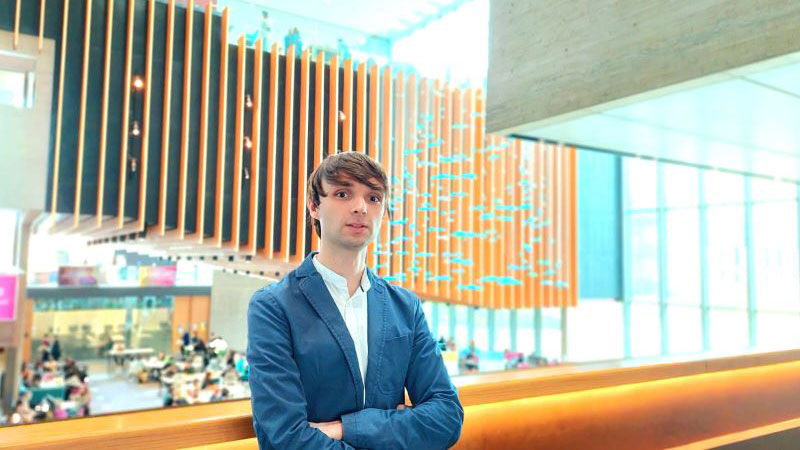
Thesis title: Digital Twins for Solar-Battery Systems: An In-Operando Optimisation
Started: January 2024
Director of Studies: Professor Denise Morrey
Where are you from?
Iran
How did you hear about Oxford Brookes University?
I first heard about Oxford Brookes University through online research while exploring postgraduate study opportunities in the UK. The university stood out due to its strong reputation in engineering and technology, especially in research areas aligned with my interests.
I was also impressed by the practical approach to learning and the emphasis on innovation, which motivated me to explore it further. Eventually, I learned more through the university website, student testimonials, and by connecting with current students and staff.
What attracted you to Oxford Brookes University to conduct your research?
Several factors attracted me to Oxford Brookes University for my research. Firstly, the university has a growing reputation for applied engineering research, particularly in battery systems and digital technologies. I was especially drawn to the opportunity to work with a knowledgeable and supportive supervisory team whose expertise closely aligns with my research interests in Digital Twin technology and battery systems.
Additionally, the excellent research facilities at the Centre for Batteries, Electric Vehicles and Electronics (CBEVE) were a major attraction, with advanced equipment and a collaborative research environment that supports cutting-edge work in battery modelling, energy storage, and electric mobility.
What were you doing before?
Before beginning my PhD at Oxford Brookes University, I was actively involved in both industry and academia. I worked as a Supervisor Engineer at an energy supplier company, where I oversaw the technical aspects of engineering projects and contributed to contract development and regulatory compliance.
Concurrently, I served as a full-time researcher at an electric power company, where I worked on estimating customer outage costs using probabilistic and mathematical methods.
My academic background includes an MSc in Electrical Engineering, where I focused on hybrid renewable energy systems, and I contributed to several journal and conference publications in the fields of battery systems, renewable energy, and smart grid technologies.
How easy did you find it to settle into the research environment?
Settling into the research environment at Oxford Brookes University was a smooth and positive experience. The university fosters a collaborative and inclusive academic culture, which helped me feel welcomed and supported from the start. Regular supervisory meetings, clear guidance, and access to experienced researchers have played a key role in my progress and confidence as a researcher.
Tell us about your research.
Digital Twin technology is revolutionising how we monitor and manage complex engineering systems. Simply put, a Digital Twin is a virtual replica of a physical device or system that runs in real time alongside its physical counterpart. This allows for continuous monitoring, performance prediction, and optimised control without the need for costly or invasive physical interventions.
In the battery industry, Digital Twins are increasingly vital due to the rapid growth of renewable energy systems. The UK’s solar and battery storage capacity is expected to reach up to 40 gigawatts by 2030. Efficiently managing these systems is essential to maximise their performance, extend their lifespan, and reduce operating costs.
One of the challenges in advancing battery technology is implementing smart control strategies that adapt to real-world conditions. These strategies rely heavily on accurate prediction of battery states, such as State of Charge (SoC) and State of Health (SoH), which can be difficult due to the complex and nonlinear nature of battery behaviour. The solution lies in combining large datasets gathered from real-time monitoring with machine learning techniques to create models that can accurately predict battery performance and degradation.
This research project is a collaboration between the Centre for Batteries, Electric Vehicles and Electronics (CBEVE) and the Architectural Engineering Research Group to develop an innovative Digital Twin framework for solar-battery systems. The goal is to optimise load profiles and minimise energy costs by integrating cloud-based data storage, advanced modelling, and smart control algorithms.
The project has two key phases:
- First, detailed battery data such as voltage, current, and temperature are collected from battery systems on the NHHB campus. This real-world data, combined with laboratory datasets, supports the development of hybrid models that integrate physical knowledge with data-driven machine learning approaches.
- In the second phase, these models will be integrated into a Digital Twin ecosystem operating in parallel with the physical battery system. The system will continuously update its predictions using live data, enabling intelligent control strategies that adapt to battery degradation and usage patterns. This adaptive approach aims to improve battery health predictions, enhance efficiency, extend battery lifespan, and reduce operational costs.
This research not only advances the scientific understanding of battery management but also supports the practical application of sustainable energy technologies in real-world settings. By creating intelligent, adaptive battery systems, Oxford Brookes University is contributing to the future of renewable energy integration and smart infrastructure.
What do you enjoy about being a research student?
I enjoy the freedom to explore innovative solutions and contribute to real-world challenges, particularly in Digital Twin technology and battery systems. It’s rewarding to work independently while also learning from experienced researchers.
A key challenge is dealing with uncertainty when experiments don’t go as planned. I manage this by setting flexible goals, regularly consulting with my supervisors, and staying engaged through seminars and peer discussions.
What do you think about the research training offered at Oxford Brookes?
The research training at Oxford Brookes provides useful guidance on research methods, data analysis, and academic writing. It has helped me develop essential skills needed for conducting my research and presenting my findings.
While there is always room for improvement, the training has contributed to my ability to work independently and communicate my work effectively.
What are your future plans?
My first goal is to complete my PhD, focusing on battery systems and Digital Twin technology.
Looking to the future, I have two paths that truly inspire me. One is a long-held dream of contributing to a F1 team, where innovation and precision in energy systems are at the forefront. The other is building a career in academia, combining research and teaching to help shape the future of sustainable technologies.
Both paths reflect my passion for creating real-world impact through continuous learning, innovation, and knowledge sharing.
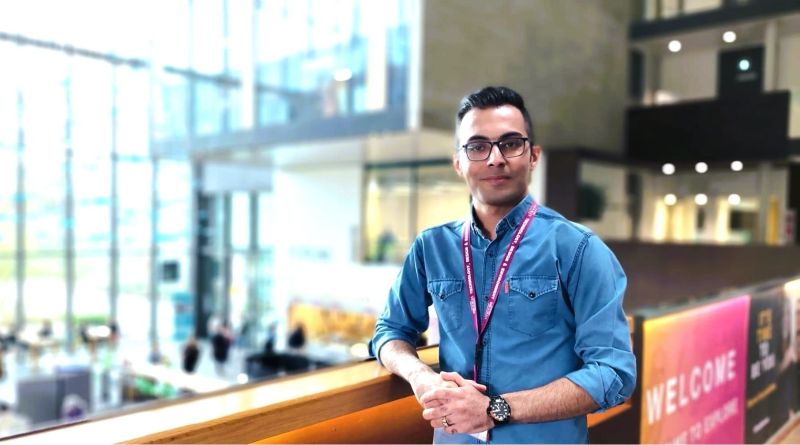
Thesis title: High-performance Battery Management System to Improve Automotive Lithium-ion Battery Life
Started: February 2023
Director of Studies: Professor Khaled Hayatleh
Where are you from?
Brazil
How did you hear about Oxford Brookes University?
I first discovered Oxford Brookes University in 2016 while researching Motorsport Engineering degree opportunities online. Later that year, I had the chance to meet a couple of alumni who shared their experiences with the programme and student life. Their insights reinforced my impression that Oxford Brookes offered an excellent academic environment, particularly for motorsport-related studies.
What attracted you to Oxford Brookes University to conduct your research?
I completed the MSc in Motorsport Engineering at Oxford Brookes in 2018/19 and have continued to follow the university’s research activities since then. What ultimately led me to pursue my PhD here was the opportunity to apply for a funded position, which I learnt about through friends who encouraged me to apply. Their support, combined with my familiarity with the university's research environment, made Oxford Brookes the correct choice to continue my academic journey.
What were you doing before?
Before joining Oxford Brookes, I was working as a Research Engineer at Maua Institute of Technology and participating in a funded MSc research project at the University of São Paulo in Brazil. My work focused on studying the impact of mechanical Diesel fuel system maintenance on the performance of power generators. Toward the end of the project, I also began working part-time as a Process Engineer for a family business that specialises in natural gas and biogas fuel systems for heavy-duty vehicles—such as buses and trucks—as well as agricultural machinery, including tractors and small power generators.
How easy did you find it to settle into the research environment? What do you think about the support and resources available to research students?
Settling into the research environment at Oxford Brookes was a smooth transition for me, largely due to my previous experience as an MSc student at the university and my long-standing involvement in research since my undergraduate studies in Brazil - spanning over 12 years in engineering research.
The university’s and school’s Doctoral Training Programmes have been particularly valuable, offering structured opportunities to develop both academic and transferable skills that are essential for research and future career paths. Additionally, the university’s facilities are modern, well-equipped, and designed to sustain a high-quality research environment that continues to grow in depth, impact and collaboration. They also help foster a sense of community and encourage active engagement among research students.
Tell us about your research
As the automotive industry moves away from fossil fuels and toward battery electric and hybrid vehicles, several new challenges have emerged—particularly around how to manage battery systems safely, efficiently, and sustainably. Key concerns include extending vehicle range, enabling fast charging, and ensuring battery safety and long-term durability.
My research focuses on improving how batteries are monitored and managed in electric vehicles (EV) through the development of intelligent, model-based Battery Management Systems (BMS). At the core of this work is an advanced algorithm designed to track battery degradation over time by analysing vital signals such as temperature, current, and terminal voltage from individual battery cells.
To support this, I am adapting and simplifying physics-based mathematical models that describe the internal behaviour of lithium-ion cells. These models capture essential electrochemical processes and relevant degradation mechanisms that contribute to performance loss, such as capacity fade and increased internal resistance. The goal is to obtain models that are not only accurate but also efficient enough to run in real-time on electronic hardware used in modern BMS devices.
A key challenge is balancing complexity with practicality—retaining enough physical insight to make meaningful predictions while ensuring the models remain computationally lightweight. By validating the models using both laboratory test data and real-world driving data, I am seeking to evaluate their accuracy, limitations, and feasibility for real-time applications.
The outcome of this work is a set of algorithms that demonstrate the potential for physics-informed battery models to enhance current BMS. These models can support better monitoring of battery health, enable longer-lasting and safer battery operation, and ultimately contribute to more reliable and efficient EVs.
What do you enjoy about being a research student? Can you tell us about any challenges you face and strategies you use to overcome these?
One of the aspects I most enjoy about being a research student is the opportunity to engage with professional and academic communities through industry expos, seminars, and conferences relevant to my field. These events allow me to broaden my perspective, exchange ideas, and find practical inspiration to tackle the technical challenges in my research.
For instance, a current challenge I face involves conducting specific battery tests to obtain the data needed to mathematically model the cells based on electrochemical theory. To address this, I actively take advantage of conferences and seminars to learn from other research groups and industry experts—gaining insights into battery testing methods, best practices, and applicable standards. These interactions often guide me toward more effective strategies for data collection and experimental design.
What do you think about the research training offered at Oxford Brookes? How do you feel this has prepared you?
The research training offered at Oxford Brookes has been highly valuable in helping me develop new skills and strengthen existing ones. One area I have particularly struggled with is academic writing, and the training sessions I have attended over the past couple of years have provided useful strategies for improving my writing and conducting paper reviews more effectively.
In addition to academic development, some sessions have also helped me find a healthier balance between research and personal wellbeing—encouraging me to manage my time more effectively and make space to relax.
What are your future plans?
My primary goal is to successfully complete my PhD and pursue a career in industry. My dream job is to work with a Formula 1 team, where I can apply the engineering knowledge I have built over the years through various professional and academic experiences.
In parallel, I would love to remain involved in academic teaching—sharing my knowledge and experience with the next generation of engineers who will shape the technologies of the future.
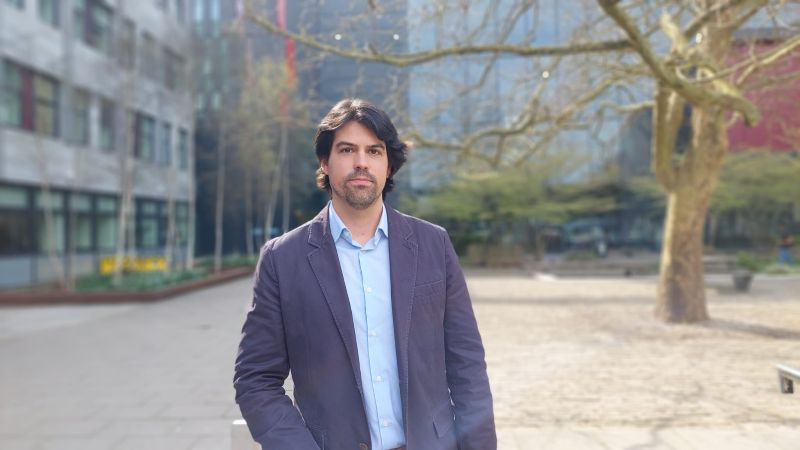
Thesis title: Development of a system of parametric equations for optimal damping coefficients.
Started: January 2016
Director of Studies: Professor Denise Morrey
Where are you from?
Portugal
How did you hear about Oxford Brookes University?
I first heard about Oxford Brookes when looking for the best institution to pursue a Master’s degree in Motorsport Engineering. I did not have the opportunity to attend a Postgraduate Fair however all my expectations were met. The facilities are probably what initially impressed me the most with plenty of high end racing cars on display and incredible equipment available. However it was when the interaction with lecturers and technicians started that the real value of Oxford Brookes shined through.
What attracted you to Oxford Brookes University to conduct your research?
Having achieved my Master’s degree in Motorsport Engineering at Oxford Brookes I was very familiar with the Department of Mechanical Engineering and Mathematical Sciences (MEMS). I had the chance to know the people and the equipment related to my area of interest before and I made the decision to stay and continue to develop my understanding of my area. This decision was made even easier when I was awarded a Research Studentship in commemoration of the 150th Anniversary of Oxford Brookes University.
How easy did you find it to settle into the research environment?
Settling into the research environment was very straight forward. Research students are very approachable and the facilities are organized in a way that promotes interaction, making it easy to get to know everyone. There are also great initiatives from students, Department and University to organise and promote social events. The amount of resources available is fantastic; the University has free access to a great database of journals and other publications with plenty of support from librarians specialised in different subjects.
Tell us about your research project.
The typical automotive suspension system is composed of a spring and damper installed at each wheel of the vehicle. The characteristics of the spring/damper pair are carefully selected in order to confer the desired behaviour to the vehicle. Generically, automotive suspension should promote traction and stability during dynamic manoeuvres while providing the required amount of comfort to passengers. The challenge in automotive suspension design arises from the conflicting nature of the parameters needed to achieve a balanced behaviour.
Current passive systems employ dampers with nonlinear characteristics that provide different levels of force depending on the velocity, and sometimes position, of the damper. The correct choice of nonlinear characteristics can achieve a compromise that confers the intended characteristics. Achieving the optimal setup is a complex task that typically relies on iterative methods that require a large amount of time and resources as well as testing grounds or specialised equipment.
Virtual simulation has become an important tool for optimisation. However, due to the complex nature of the problem being addressed this method tends to require a large amount of computational resources. The development of a set of parametric equations capable of determining the optimal damper functions for a wide range of vehicles and applications would address the current issues related to optimising a passive system without the excessive cost and complexity of implementing an active system.
What do you enjoy about being a research student?
The most enjoyable part of being a research student is having the freedom to pursue knowledge in the area of interest. It is very rewarding when I realise that I am slowly progressing into becoming an expert in the field. It is also challenging as it can be hard to manage all that freedom. Exploring a new topic opens quite a few doors of possible leads to follow and this can quickly become overwhelming if a clear sense of direction is not present. An essential skill that has to be developed and mastered during an MPhil/PhD is undoubtedly time management.
What do you think about the research training offered at Oxford Brookes?
Oxford Brookes University offers a very comprehensive training program for research students. The Doctoral Training Program (DTP) is composed of weekly training sessions/lectures covering different areas that are of interest for researchers. Ethics, data visualisation, and speaking with the media are some examples of topics covered during these sessions which are a valuable addition to the program.
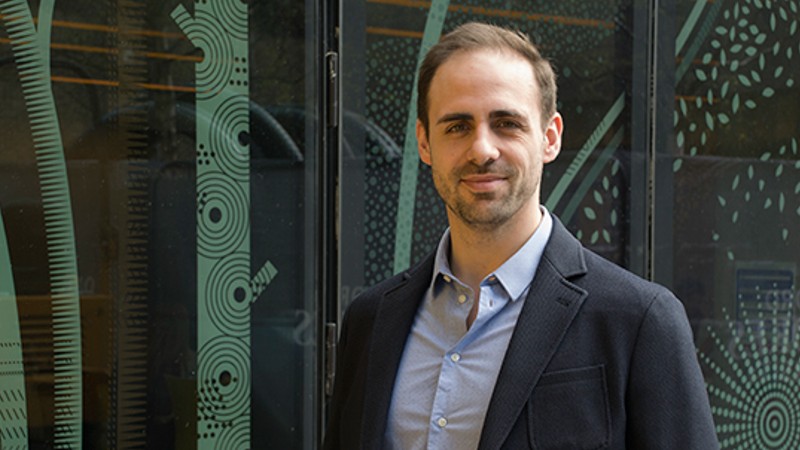
Thesis title: Visualisation of Digital Twin Real-Time Sensor Data for the Operation and Maintenance of Buildings
Started: January 2024
Director of Studies: Professor Joe Tah
Where are you from?
Pakistan
How did you hear about Oxford Brookes University?
I first learned about Oxford Brookes University through a colleague who recommended a promising PhD opportunity that aligned closely with my professional background and research interests.
Upon reviewing the programme and its focus areas, I recognised the potential for academic and personal growth and subsequently applied. I was delighted to be offered the opportunity to pursue my doctoral studies at an institution renowned for its commitment to innovation and excellence in research.
What attracted you to Oxford Brookes University to conduct your research?
Having extensive experience in construction and building management, I found the advertised research topic both forward-looking and directly relevant to my professional expertise.
The university’s strong research culture, particularly in the built environment, along with its reputation for interdisciplinary collaboration, made it a natural fit.
Furthermore, the opportunity to work with a highly experienced supervisory team was a significant motivating factor. Their expertise and academic standing assured me that I would receive the necessary guidance and support to develop a robust and impactful research project.
What were you doing before?
Prior to beginning my PhD at Oxford Brookes, I spent nearly a decade working as a Construction Project Manager in the United Arab Emirates. I began my career in 2014, shortly after completing a Bachelor of Honours in Architectural Technology from Northumbria University.
My professional responsibilities spanned large-scale construction projects, where I gained substantial experience in project delivery, building maintenance, and facilities management.
How easy did you find it to settle into the research environment?
Settling into the research environment at Oxford Brookes was a smooth process, largely due to the structured induction provided by the Postgraduate Research Tutor and the continuous support of my supervisors. Their early guidance helped me navigate the academic system and establish a strong research foundation. Additionally, the university offers excellent support services and access to research resources, which have been instrumental in facilitating my progress throughout the doctoral journey.
Tell us about your research
This research project explores the integration of Digital Twin (DT) and Mixed Reality (MR) technologies to improve how real-time sensor data is visualised and used in the operation and maintenance of buildings. The aim is to develop an interactive, immersive framework that allows building performance data, such as temperature, humidity, and air quality, to be understood more easily and acted upon more efficiently by facility managers and stakeholders.
The operation and maintenance phase of a building’s lifecycle is the most resource-intensive, accounting for up to 80% of total costs. Yet, traditional methods for managing building systems often rely on manual processes and static tools like dashboards and charts. These methods can make it difficult for non-technical users to interpret and respond to issues in a timely manner. While Digital Twins offer real-time virtual representations of buildings using IoT sensor data, the visualisation of this data has not advanced enough to match the potential of the technology.
This research proposes that by incorporating MR into DT frameworks, data can be presented in more intuitive and interactive ways. Mixed Reality enables users to enter a virtual version of a building and experience live sensor data in three dimensions. For instance, visual cues like colour-coded particles or animated overlays can indicate temperature levels or air quality in specific areas, helping users identify problems quickly and understand conditions spatially.
The project includes the creation of a digital twin for a real university building, equipped with live IoT sensors. Using platforms such as Unity or Unreal Engine, the virtual model will display real-time data using advanced 3D visualisation techniques. These include the use of 3D metaphors. visual representations of abstract data, designed to improve comprehension and usability for a range of users, not just technical professionals.
The research follows a design science methodology, combining conceptual development, system implementation, and iterative user testing. Facility managers and industry professionals will provide feedback during the validation phase to refine the framework. The goal is to produce both a functional system and practical guidelines for applying MR-enabled Digital Twins in building maintenance settings.
By enhancing the way data is presented and understood, this work supports smarter, more sustainable building management. It enables quicker responses to maintenance issues, improves communication among stakeholders, and advances the broader digital transformation of the built environment. The research contributes to the growing body of knowledge in smart buildings, immersive technologies, and data-driven decision-making.
What do you enjoy about being a research student?
One of the most enjoyable aspects of being a research student is the opportunity to engage deeply with emerging technologies relevant to the construction and building sector. I find it intellectually stimulating to explore how these innovations can solve real-world problems. Interactions with fellow researchers from diverse backgrounds also provide fresh perspectives and foster collaborative thinking.
One challenge I have encountered involves the technical aspects of visualisation tools such as Unity and Unreal Engine, which require a significant amount of coding expertise. As someone without a formal background in programming, this has required additional effort. I have addressed this by seeking guidance from colleagues with coding experience and consulting professionals when needed. These collaborative approaches have enabled me to continue making progress while developing new technical skills.
What do you think about the research training offered at Oxford Brookes?
The research training offered at Oxford Brookes has been both comprehensive and practical. It provided me with a clear understanding of the various stages of the research process, from formulating research questions to data collection, analysis, and dissemination.
The training sessions have helped me build essential academic skills and understand ethical and methodological considerations necessary for conducting fieldwork effectively. Overall, the training has laid a strong foundation for my doctoral journey and prepared me for future academic and professional roles.
What are your future plans?
Alongside developing my research capabilities, I have also gained valuable teaching experience during my PhD studies. This has fostered a strong interest in academic teaching and mentorship.
My long-term goal is to pursue a career in academia, where I can contribute to both research and teaching. I am particularly motivated to support students in developing their skills and confidence, and I look forward to applying my industry experience and academic insights in a university setting.
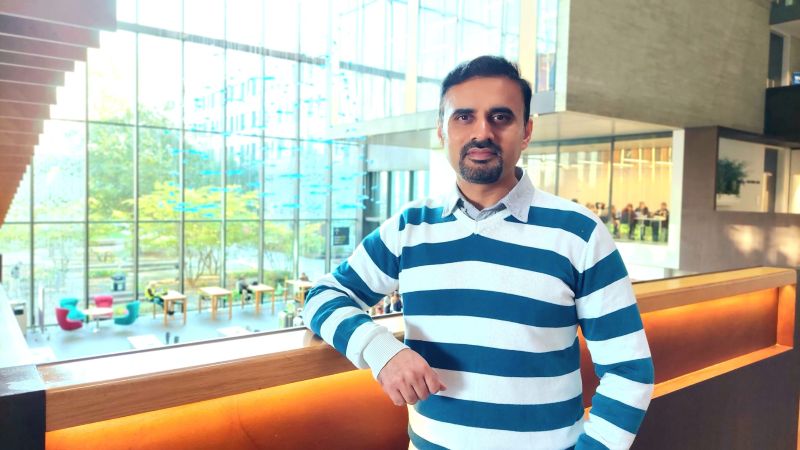
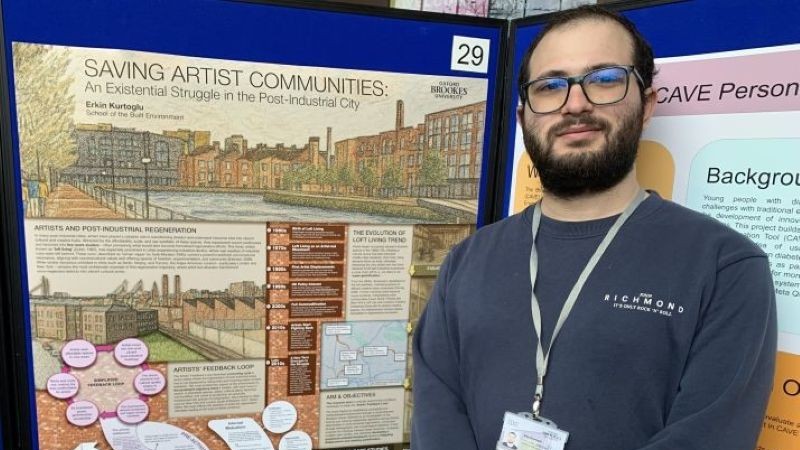
Thesis title: Saving Artist Communities: An Existential Struggle in the Post-Industrial City.
Started: January 2024
Director of Studies: Dr Regina Lim
Where are you from?
Ankara, Turkey
How did you hear about Oxford Brookes University?
I first came across Oxford Brookes University in February 2021, during the final year of my Bachelor's degree in Architecture in Turkey. At the time, I was actively researching universities across the UK that offered master’s programmes in urban design and planning, and Brookes quickly stood out as a leading institution in the field.
What attracted you to Oxford Brookes University to conduct your research?
Shortly after completing my MA in Urban Design at Oxford Brookes in 2022, I expressed my interest in continuing into further research to my then dissertation supervisor, Dr Regina Lim. My intention was to build upon my master’s dissertation and explore a related topic in greater depth. Following a gap year spent refining my research direction at a more relaxed pace, I applied to the MPhil/PhD programme in Urban Design, starting in January 2024. The main reason I chose to continue my academic journey at Brookes was the opportunity to work with the same supervisor, as well as the familiarity of the academic staff and environment I had already grown accustomed to. This continuity proved to be more valuable than I initially anticipated, allowing me to transition into the research culture quickly and with confidence.
How easy did you find it to settle into the research environment?
As I had already completed my Master’s here and remained in contact with my supervisor and other staff, the transition from the gap year back to the university felt natural. The familiar academic environment and people around me helped me promptly regain momentum and settle comfortably into my new role. The university has also been responsive to my needs, offering valuable support through office space, regular supervisor meetings, Doctoral training sessions, and fostering a strong postgraduate research community. Starting alongside many other new researchers and joining the Buddy Programme also helped me connect with peers and learn from the experiences of current students.
Tell us about your research
My research addresses a persistent gentrification cycle that repeatedly targets and displaces artists in post-industrial districts. In cities such as New York and London, artists often settle in neglected, affordable post-industrial areas, transforming vacant factories and warehouses into spaces for living and creating art through practical and innovative methods. Their efforts revitalise these areas, enhancing their vibrancy and appeal. This, in turn, attracts property developers eager to capitalise on the area’s artistic identity by marketing it to higher-income, high-culture professionals – a process popularised through Richard Florida’s notion of the 'creative class.' As a result, the very artists who reclaimed these spaces are eventually priced out by rising rents, forcing them to relocate to yet another affordable district, only to face the same cycle again. For convenience, I refer to this repeating pattern as the ‘Artists’ Feedback Loop’.
The existing literature largely addresses this loop through top-down frameworks designed to guide stakeholders, such as developers and local councils. While these approaches are valuable, their effectiveness remains limited, as developers are often under no strict obligation to follow such guidelines, resulting in inconsistent implementation. By contrast, there is a clear opportunity to develop a grassroots framework rooted in pragmatic, artist-led, and activist strategies for resisting gentrification in post-industrial districts. At its core, this opportunity highlights a deeper gap in the literature: the relational dynamics among stakeholders, particularly in the context of post-industrial urban regeneration, remain underexplored.
In exploring these relationship dynamics, I propose that the Artists’ Feedback Loop can be disrupted through mutualism – both within artistic communities and between artists and other stakeholders, such as non-artist residents and local councils. These mutually-beneficial relationships may offer an effective grassroots strategy to resist displacement and preserve the cultural fabric of post-industrial districts, providing a more balanced and transferable alternative to market-driven urban regeneration.
What do you enjoy about being a research student?
Being a research student presents an interesting paradox for me. I both love and struggle with the independent study approach – the very aspect that sets a research degree apart from a standard taught course. I love the flexibility it offers: the freedom to carve my own path, make my own decisions, and take full control of my progress. But at times, this same independence can be challenging. Without fixed guidance – especially during quieter periods like summer or when supervisors are busy with marking – I often find my momentum slowing. I’ve always thrived when someone was there to push me, so adjusting to a fully self-directed mode of study wasn’t easy.
However, since the start of this year, I have made significant progress, planning regular weekly meetings with my supervisors and staying proactive throughout the term. One key coping strategy I have discovered is to never leave myself completely free; I always need something productive alongside my studies. That is why I took on a research degree placement this term at the Directorate of Research, Innovation and Enterprise (RIE), working as a public engagement intern. This role not only kept me grounded but also helped me develop transferable skills that will be vital during my fieldwork next year.
What do you think about the research training offered at Oxford Brookes?
My research training at Oxford Brookes has been excellent so far, combining structured Doctoral Training Programme seminars, one-on-one supervisory guidance, and, of course, my placement at RIE. It has equipped me with critical thinking skills, methodological rigour, and self-directed planning. I feel well-prepared to design and execute fieldwork, engage with stakeholders, and adapt flexibly to emerging challenges in my PhD journey.
What are your future plans?
My primary goal has always been to stay in academia. I view a postdoctoral opportunity as the most likely next step, enabling me to deepen my research in urban sociology before ultimately securing a permanent role in research, teaching, or a combination of both. I have also come to realise that there may be meaningful opportunities beyond academia. Given that my research engages directly with sociological issues and activism, it is equipping me with experience that aligns closely with the work of many non-profit and community-based organisations.
Thesis title: Contribution of Heritage on City’s Liveability: In The Case of Kuala Lumpur
Started: October 2021
Awarded: January 2026
Director of Studies: Dr Alan Reeve
Where are you from?
Malaysia.
How did you hear about Oxford Brookes University?
Oxford Brookes is a well-known institution and listed among the top 10 best architecture schools, especially in Urban Design therefore it requires no introduction at all. Plus, I have known a few people graduating from Brookes in Architecture and Urban Design including some of my former lecturers. I never attended the postgraduate fairs so I can’t comment much about it.
What attracted you to Oxford Brookes University to conduct your research?
I have been searching for the opportunity to undertake a PhD programme since 2015 with the right supervisor to guide me, and I come to read about Dr Alan Reeve research works/papers which have caught my attention. His expertise in urban design together with the university's credibility and excellent facilities provided has become the main reason why I choose OBU.
What were you doing before?
Previously, I worked as a tutor (Studio Demonstrator and an Urban Design lecturer) for undergraduate students of Urban and Regional Planning at the University of Malaya while still pursuing my master's (M.Arch) at Universiti Teknologi Malaysia. Shortly after graduated, I begun working as a transport planner and it was my first ever professional job. Within 6 years of work, I was involved in a few notable public transport development projects in Malaysia such as the Light Rapid Transit (LRT) 3 Extension, MRT3 Circle Line, & High-Speed Rail Network (Just to name a few) focussing on my expertise in station design and feasibility study. It was a great experience working professionally however, it’s about time to pursue my dream and do the PhD.
How easy did you find it to settle into the research environment?
Honestly, it is not awkward to switch directions from professional industry to academia as I have little experience in research during my master's where which I was a research assistant at that same time. I never regret leaving my comfort zone of fixed-paid salary and come back to be a student and pursue my dream. I was actually quite surprised that Brookes provides support, facilities and resources for PhD students more than I expected. I have an excellent supervisory team, which is Dr Alan Reeve (As director of studies) and Dr Karl Kropf (second supervisor) to help me build my confidence, lending their expertise and guidance on how to do research. In addition, meeting and getting to know other PhD students here have helped me a lot to adjust myself to this new environment and culture so I am excited from the very beginning of my studies.
Please give an overview of your research project
Liveability has become an important concept because all the cities in the world are currently facing an urbanization crisis and pressure to provide best living condition to its people. But does heritage make a city liveable? Although the concept of liveability is complex and conveys various meanings, UNESCO asserts that a liveable environment is more likely to be present if there is a strong connection between communities and heritage. In this sense, heritage areas can positively influence the liveability of places. However, there has been limited research into the relationship between heritage conservation and the liveability of urban environments. This lack of a clear evidence base in relation to how heritage is treated as part of liveability in both development and conservation policy, has resulted in challenges in both formulating and implementing appropriate policies generally.
In this research, most of the Kuala Lumpur built heritage is in strategically prime locations, where there is a significant risk of redevelopment and destruction of important heritage assets.
The concept of liveability in Malaysia has been alluded to and articulated in several key policies relating to heritage conservation over the last few years. The trend of including heritage as an aspect of the government’s aspirations for liveability has been increasing by utilizing abandoned and underused buildings of heritage value. Policy and other development instruments, such as conservation programmes, can be a catalyst for establishing sustainable communities in heritage areas, reinstating their original purpose as living neighbourhoods. In this context, the thesis aims to investigate the relationship between heritage value and liveability, and how this has come to be reflected in policy making and implementation strategies in the future, specifically in the Malaysian context. This research will also review the current heritage policy framework, and its contribution to the liveability of Kuala Lumpur city.
The importance of heritage has been recognised for several decades, and was first explicitly mentioned in the Malaysia Plan 1986, specifically in relation to its potential for strengthening tourism activities. Subsequently, there is evidence of a growing social awareness of heritage in Malaysia, with the introduction of the National heritage Act 2005. As applied in practice, however, the legislation has not prevented the demolition of buildings of significant heritage value and have not protected areas with heritage significance very effectively. The demolitions and lack of effectiveness also suggests a broader, if implicit, agenda in which built heritage has been given less value than new development. The effectiveness of conservation practice is questionable, although Kuala Lumpur is guided by its own heritage policy. Many researchers stated that this situation is mainly caused by a conflict in attitudes and different perceptions among stakeholders of heritage value. In essence, this research has the potential to critically assess current policies, and identify what policy modifications and implementation strategies might be necessary to better align Kuala Lumpur's aspirations to be a more liveable city, with the potential for a wider range of its heritage to be retained as a key contributor to such liveability.
What do you enjoy about being a research student?
What I love about being a researcher is a never-ending curiosity and constant questions playing out in my mind about everything that happened in my surrounding. I believe it freshens my mind and controls my thoughts as I need to be aware and sensitive about every aspect of life. The ultimate challenge I have experienced so far is to manage research studies and social life at the same time. Coming from Asian background and culture, we never get used to compliments or taking a break when we needed it the most and it can be very difficult to manage. I have pledged to work hard then play harder and make this PhD journey fun, enjoyable and not as lonely as people claimed it to be. Treating myself with an ice cream date sometime makes a huge difference as well.
What do you think about the research training offered at Oxford Brookes?
I was thankful that Brookes provide adequate training, especially in software training as it is a crucial part of my PhD. All the training provided by both Faculty, Graduate College, Library and many more are super useful however, I do wish they could provide one-to-one basic training for software and special continuous methodology class.
What are your future plans?
Besides continuing and advocating its importance either via academic or research works, I just hope I would be able to do it as well by finishing my book (doodle mostly) entitle: “My Heritage, is Your Heritage” and hopefully it gives some positive impact to everyone perhaps that one day, peoples perspective on heritage and together protecting them as long as they could.
Thesis title: Effect of Cultural Identity on Preference of Urban Parks: Case Study Greater Cairo, Egypt.
Started: February 2025
Director of Studies: Professor Aylin Orbasli
Where are you from?
Giza, Egypt
How did you hear about Oxford Brookes University?
I first came across Oxford Brookes University through a Google Scholar search while exploring research related to my thesis topic. I found a number of relevant publications, and upon checking the authors' affiliations, I discovered that one of them is affiliated with Oxford Brookes. This led me to explore the University further.
What attracted you to Oxford Brookes University to conduct your research?
The primary factor that drew me to Oxford Brookes University was its strong and active research group: Place, Culture, and Identity, which was particularly aligned with my thesis topic. This greatly motivated my decision to apply, and I felt it would be the right place to pursue my PhD.
What were you doing before?
Before joining Oxford Brookes, I was a full-time Assistant Lecturer in the Urban Design Department at the Faculty of Urban and Regional Planning, Cairo University. Alongside my academic role, I worked as a landscape architect both in professional offices and as a freelance practitioner.
How easy did you find it to settle into the research environment?
I found the research environment at Oxford Brookes welcoming and supportive. The resources available, including a dedicated workspace and the guidance of my supervisors and department members, made it much easier for me to settle in and integrate into the research environment.
Tell us about your research
My PhD research explores how cultural identity influences people’s preferences for and engagement with urban parks in Greater Cairo. Urban parks are vital in densely populated cities—not only for offering access to nature, but also for fostering social interaction, psychological well-being, and a sense of belonging. However, in Greater Cairo’s compact core, the advantages of these green spaces are often limited—not just due to their scarcity, but also because many existing parks are underused or fail to attract users.
This research begins with a simple but important question: Why are some parks in Greater Cairo not used or visited regularly, despite their availability? While much of the existing discussion around urban green spaces in Egypt focuses on low green space per capita, there has been less attention on how these spaces are actually experienced, and why certain parks are embraced while others are overlooked—even when they are accessible.
My study proposes that cultural identity plays a central role in shaping how individuals perceive and use urban parks. Cultural identity can influence a person’s preferences and emotional connection to a place. It acts as a cognitive filter through which people interpret and engage with the landscape.
To explore this relationship, I am conducting a sensory ethnographic study that combines direct field observation, in-depth semi-structured interviews, digital content analysis (Netnography), and historical research. This multi-method approach allows me to understand both users’ lived experiences and to build a clearer picture of how cultural identity—both of people and of place—shapes the ways in which parks are used, avoided, or preferred.
In addition to addressing a thematic gap—the under-researched role of cultural identity in shaping human-environment interaction—this study also responds to a geographical gap in landscape research. Much of the global literature on landscape preference has focused on Western cities. Greater Cairo, like many cities in the Global South, has its own historical, cultural, and social context that needs to be understood on its own terms. By focusing on Greater Cairo, this research helps bring forward knowledge from a part of the world that has been underrepresented in international studies on landscape preference and public green space use.
This research builds on my long-standing academic interest in improving the quality of life in Egyptian cities through green space design. My doctoral work refines this focus, with a stronger emphasis on the cultural dimensions of public green spaces.
What do you enjoy about being a research student?
What I enjoy most about being a research student is the ongoing learning process. It’s a journey where you constantly learn—not only from your supervisors and peers, but also from your own mistakes and reflections. Being a full-time research student gives me the time and flexibility to explore ideas, develop my thinking, and grow both academically and personally.
What do you think about the research training offered at Oxford Brookes?
So far, I’ve found the research training at Oxford Brookes very helpful. It supports us in different ways—whether through sessions where colleagues present their work or through structured workshops on PhD-related topics. What I appreciate is that the training doesn’t just focus on academic skills only, but also includes personal development and life skills, such as understanding yourself and managing stress. I feel this well-rounded approach has helped me feel more prepared to navigate the PhD journey.
What are your future plans?
My future plans involve continuing in academia and becoming part of a research lab that prioritizes user-focused urban landscape studies. I hope to be a part of a meaningful network of researchers and professionals who work towards designing landscapes that reflect and support community needs.