Resilience, Wellbeing and Mental Health Support in Crisis Settings

About this course

The nature of humanitarian and development work is physically, emotionally and mentally demanding. In today's frantic world, mental wellbeing is more important than ever and if you’re working in challenging situations, protecting your wellbeing and resilience must be a necessity. 

This unique course is designed to enhance your understanding of mental health in crisis settings, build a self-care practice, as well as personal and collective resilience. From mastering the fundamentals of providing psychosocial first aid and support to ways to deal with stress, trauma, loss and grief, this course ensures you have the skills to take care of yourself and others. 

Next dates to be announced soon. Email Arda Inceoglu at ainceoglu@brookes.ac.uk to register your interest

Venue: Online via Zoom

To find out more about the CPD and short courses offered by the Centre for Development and Emergency Practice please see our CPD pages

Why is this course unique?

  • You will learn from top experts in the field of mental health support. Our lecturers are consultants and advisors to well-recognised humanitarian organizations (including IFRC, Save the Children, Aid Against Hunger) and the UK and EU governments.
  • You will have an opportunity to network and share ideas with peers and professionals across the globe (our course has been attended by students and professionals from Uganda, Nigeria, Sri Lanka, Turkey, Australia, Europe, the US and many other countries).
  • The course is run by the queen's award winning Centre for Development and Emergency Practice (CENDEP, a multidisciplinary centre founded in 1985, that brings together academics, development practitioners and policy makers to develop reflective practice.
  • Oxford Brookes University is one of the UK's leading modern universities and enjoys an international reputation for teaching excellence and innovation.
  • After the completion of the course, you will receive a certificate of attendance from Oxford Brookes University.

Course content

The course includes 6 key units:

  1. Unit 1: An introduction to wellbeing and mental health in the humanitarian sector
    The nature of humanitarian work is physically, mentally and emotionally demanding. Humanitarian workers are required to work in challenging conditions with no privacy, personal space or psychosocial support. Aid workers often suffer from stress, anxiety and depression, and are fearful of talking about their mental health issues. This lecture is drawn on recent research on the state of mental health in the sector and explores innovative approaches in mental health support and self-care.
  2. Unit 2: Caring for others: psychosocial first aid Picking up the pieces: dealing with critical incidents, stress and trauma
    This session will explore what we understand about resilience and the challenges and disruptions to our mental health in humanitarian work. We will discuss the many facets that affect aid workers' ability to thrive, including unhealthy organisational cultures and systemic and structural barriers to resilience. As well as exploring self-care practices to build resilience, we will consider what we can do individually and collectively to cultivate a culture of care in our workplace.
  3. Unit 3: Supporting ourselves, supporting each other: strategies for personal and collective resilience Caring for others: psychosocial first aid
    Psychological first aid is the recommended first response in any crisis situation, and all humanitarians would benefit from learning the "Look, Listen, Link" skill before beginning their professional life. This session focuses on psychological first aid skills and covers what is helpful and what isn't when meeting someone after a distressing event.
  4. Unit 4: Managing loss and grief with self compassion in crisis settings
    Working in crisis settings can spark feelings of moral distress and grief in workers. This workshop explores the way in which high conscientiousness in those offering help can blend with the pressures of difficult and intractable contexts to undermine self-care and open the door to burnout. We will explore a range of effective coping mechanisms, considering distraction, pursuing joy, acceptance and focusing techniques as ways to enhance self-support and consider what role, if any, professional counselling can play in staff care.
  5. Module Unit 5: Picking up the pieces: dealing with critical incidents, stress and trauma. An introduction to mindfulness and compassion
    Mindfulness has been shown to bring positive long-term changes in our emotions and feelings, with a perceptibly calmer mind and increased resilience to stress. This introductory session will provide a gentle entry into understanding and experiencing the basic essence of mindfulness meditation.
  6. Unit 6: An introduction to mindfulness and compassion. Supporting ourselves, supporting each other: strategies for personal and collective resilience
    After a critical incident or periods of stress and trauma, it can feel like your life as you know it has changed. Through this session, we will focus on the type of critical incidents you may face in humanitarian settings, but most importantly, how to positively cope with any incidents that you may experience by using the concepts of post-traumatic growth, resilience as well as Psychological First Aid.


Learning outcomes

Once you have completed this course you will:

  • Be able to support others in need and provide basic psychosocial first aid.
  • Acquire core self-care skills and master techniques for positive wellbeing.
  • Learn how to build personal strategies to improve your own mental health and wellbeing at work.

  • Build your skills for managing stress, trauma, loss and grief.
  • Learn how to contribute to a mentally-healthy workplace culture.
  • Develop strategies for personal and collective resilience.

Lecturers

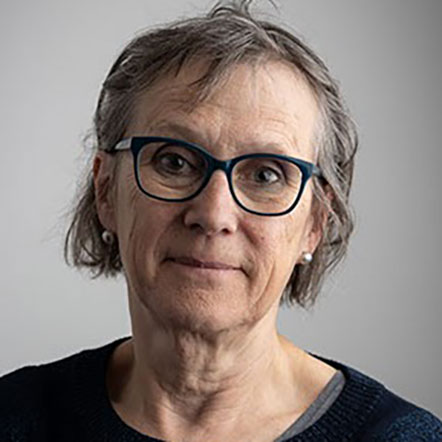
Martina Adamcikova

Martina Adamcikova

An introduction to wellbeing and mental health in the humanitarian sector

Martina is an Associate Lecturer in Development and Emergency Practice at Oxford Brookes University. Her research is dedicated to mental health and wellbeing in the humanitarian sector. She is a Psychosocial First Aid Trainer and Mental Health First Aider. Martina also provides advisory and research support to the Government of Slovakia and is a Mental Health Consultant for the Slovak Red Cross developing staff care programmes, delivering psychosocial first aid trainings and psychosocial support programmes for refugees.

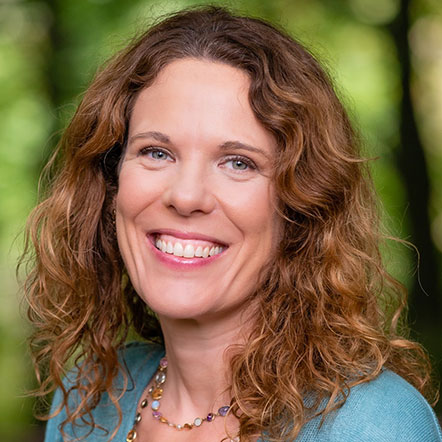
Ea Suzanne Akasha

Ea Suzanne Akasha

Caring for others: psychosocial first aid

Ea is a technical advisor and trainer at the IFRC Reference Centre for Psychosocial Support covering areas of support to National Societies in Europe. Ea has been a MHPSS delegate for IFRC since 2008 with missions after emergencies such as the cyclone in Myanmar, earthquake in Haiti and floodings in Pakistan and has worked in countries such as Lebanon and Syria during the Syrian crisis. Her background is in psychomotor and family therapy.

Dr Gemma Houldey

Dr Gemma Houldey

Supporting ourselves, supporting each other: strategies for personal and collective resilience

Gemma Houldey has over 15 years of experience with human rights and humanitarian programmes, particularly in the Middle East and East Africa, and over 6 years of research and training focused on staff care in the aid sector. Her PhD thesis and new book, “The Vulnerable Humanitarian: Ending Burnout Culture in the Aid Sector” draws on research conducted in Kenya and her own personal experience.

Dr Kate Thompson

Dr Kate Thompson

Managing loss and grief with self compassion in crisis settings

Kate is a counselling psychologist with more than 2 decades of experience in psychological therapy, training, and consultancy for clients in a range of settings including refugees and asylum seekers, staff in the international aid sector, expatriate workers and serving military personnel and veterans. A former humanitarian worker herself, she worked for Medecins sans Frontiers and the ICRC.

Karen Abbs

Karen Abbs

Picking up the pieces: dealing with critical incidents, stress and trauma

Karen has worked in the humanitarian and development sectors for over 17 years as a staff wellbeing, safeguarding and MHPSS specialist. She has worked in conflict and post-conflict countries in the Middle East as well as Central and Eastern Africa and has been a practicing therapist for over 20 years, specialising in trauma and critical incident support. Karen's work has included developing and delivering Staff Care Policies, National Mental Health Counsellor Training Frameworks, Staff Wellbeing Training Manuals and large scale MHPSS programmes.

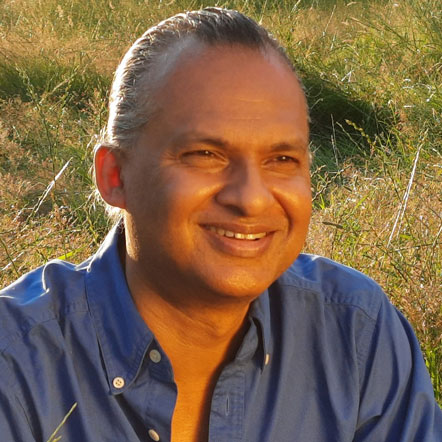
Hitendra Solanki

Hitendra Solanki

An introduction to mindfulness and compassion

Hitendra is a trained mindfulness teacher and mindfulness & wellbeing Adviser at Simply Mindful. He has been active in the development and humanitarian sector now for over 20 years and his experience includes working with Action Against Hunger UK, the Africa Educational Trust, The Bishop Simeon Trust, Disability & Development Partners and Comic Relief. Hitendra is also a Lecturer at London South Bank University, and the Course Director on the MSc Development Studies.

Who is it for?

This course is aimed at professionals who are working in the humanitarian and development sector, all frontline workers within the humanitarian and development field (staff from INGOs, NGOs and UN organisations), as well as students on development and humanitarian courses, and all those who are planning to work in crisis settings.  

Whether you’re working in a small or large organisation, HR, or simply just want to learn new things, you’ll find this course beneficial for you!

Course fees

  • Course fee: £495

Testimonials

"What I loved about the course was that I had an opportunity to interact with experienced professionals who shared practical, evidence-based tools and strategies. I learnt how to practice wellbeing, mindfulness, empathy, resilience and be better equipped to deal with crises. What I’ve learnt during the course can not only be applied in crisis settings but can also help us with individual, social and structural stresses. Therefore, I would recommend this course to professionals working in the humanitarian and development sector as well as to students from any discipline."

Rabeya, Architect and Development Practitioner, Bangladesh 

"The Resilience, Wellbeing and Mental Health Support in Crisis Settings course was extremely helpful to me. The sessions that I attended were extraordinarily relevant and resonant with what I was experiencing at that moment. Despite my previous, decade-long career in healthcare which was focused on preventative health and cultivating the tools of mental well-being in hundreds of clients, humanitarian action has pushed me to the outer limits of attaining this balance in myself. This course affirmed my experience of the challenges we encounter in humanitarian work, provided additional tools that I continue to use daily and also suggested follow up resources to further my wellbeing, as I continue to operate in crisis settings."

Julia, AMANZI - Water to Schools (Founder), United States & South Africa

"What I found particularly helpful were the practical exercises and role plays, which allow you to challenge yourself and grow. There is a sense of building a safe space and network with peers, which is invaluable. There are plenty of resources to go deeper. And the instructors are both knowledgeable and a joy to work with! I would thoroughly recommend this course, as it gives you the tools to apply mental health awareness not just at work but also in personal life."

Martina, External Relations and Communication Consultant, WHO, Italy

Contact us

If you have any enquiries about the course, please email us at cendep@brookes.ac.uk.