
Research news
Research news
09 November 2026
Could the building you're sitting in be affecting your health?
When we think about staying healthy, we tend to focus on familiar advice: eat well, exercise regularly and get enough sleep. Rarely do we stop to consider the buildings around us.

06 November 2026
Could coaching become the next profession to transform public wellbeing?
When people think of pro bono work, they tend to picture lawyers offering free legal advice or doctors volunteering their expertise. Coaching rarely enters the conversation.

05 November 2026
How Oxford Brookes’ Alternative Societies Network is Reimagining Modern Economic Policy
By engaging with and showcasing grassroots communities and alternative business models, the network shows that viable, democratic alternatives to market capitalism not only exist, but are already thriving.

05 November 2026
Can tennis grow without losing its integrity?
Oxford Brookes academic examines the hidden ethical challenges facing the sport, from equal pay and match-fixing to sustainability and access.

24 September 2026
Researcher works with Oxfam on the first national charity fashion rental platform
An Oxford Brookes researcher has joined forces with the charity Oxfam to help it launch the first ever national charity fashion rental platform.

20 August 2026
Revealed: how your relationship with your dog affects their wellbeing
For the first time scientific research has shown that the quality of the relationship between a dog and its caregiver significantly influences its long term well being.

04 August 2026
Why good business starts with stakeholder engagement
Corporate governance rarely makes headlines. For many, it remains an abstract concept; a set of rules, reports and boardroom processes that feel far removed from everyday life.

29 July 2026
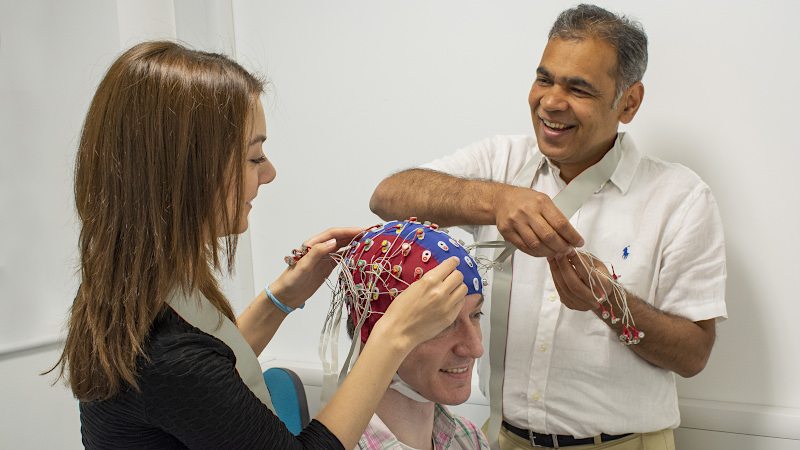
Research Uncovers Brain Mechanism Behind ME/CFS Sensory Overload
Breakthrough research reveals sensory overload stems from higher-level brain processing—opening new doors for targeted treatments.
23 July 2026
What if universities stopped exporting knowledge
For decades, international education has often followed a familiar pattern: universities from wealthier nations develop courses and expertise, then share them with partners around the world. But what if that model has it backwards?